

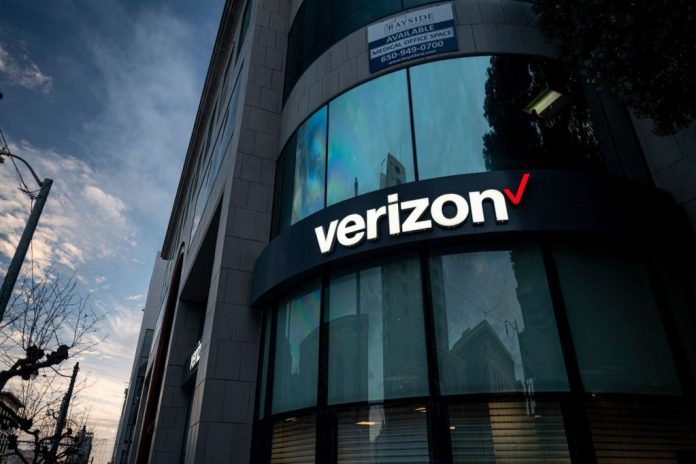
When you step back and assess human progression from a wider standpoint, you can see how it’s been influenced by a ton of factors. Every major milestone on this journey has required for us to use a different skill, but at the same time, there have also been a few that played a role in realizing each one of those landmark moments. One such constant skill in play here happened to be communication. Our ability to communicate in a productive way is probably the biggest reason why we were able to establish a level of dominance over the other species. What’s more is that even with the power firmly resting in our hands, we continued to evolve our communication methods. This directly translated to the formation of stronger relationships, and consequentially, a better chance at achieving something that was considered to be unachievable before. Nevertheless, our biggest leap in the said regard only came once we had technology within the frame. Suddenly, the idea of communication looked entirely different, and all for right reasons. If being able to talk to someone who is sitting miles away wasn’t impressive enough, we would go ahead and top it through the introduction of social media platforms that offered an outright unique dynamic to our conversations. Now, we have set our sights on a more advanced take on connecting people, but before that, we must ensure that the current telecom landscape is accommodating enough for everyone. The telecom-giant, Verizon has been trying to make it happen since a long time, and in its latest bid to get there, the company is joining forces with another powerhouse called Amazon.
Verizon has formally confirmed a strategic partnership with Amazon, as the company ramps up its pursuit of expanding rural broadband access in the United States. The partnership will see Verizon using Amazon’s upcoming satellite internet system called Kuiper. While it’s still a work-in-progress, Kuiper is one of the most ambitious broadband related projects ever witnessed. The system is made up of 3,236 satellites and will command an investment worth more than $10 billion. A setup of such scale combined with Verizon’s own telecommunication capabilities gives both the companies a solid foundation to solve the internet woes in regions that have been at a technological disadvantage for a while now.
“We’re proud to be working together to explore bringing fast, reliable broadband to the customers and communities who need it most,” says Andy Jassy, CEO of Amazon.
With Kuiper acting as an extension of Verizon’s network, the two companies will also look to put-together “joint connectivity solutions”, which they expect are going to be a home-run in industries like agriculture, energy, education, and transportation etc.
The satellite internet system has already got the approval of Federal Communications Commission, and that mandates Amazon to deploy at least half of its total satellites fleet over the next 6 years.