

While a human arsenal is made up from a lot of different things, it’s our solution-oriented tendency that really stands out. It gets to be a cut above others mainly because of how it would help us with scaling up on a rather consistent basis. Now, when you are able to form a continuous growth trajectory of that sort, you automatically put yourself in a position where you are able to elevate yourself without much hassle, and therefore achieve some unprecedented results over time. However, while we went on to clock many such results, we are yet to see anything as significant as technology. You see, technology wasn’t just a by-product of our solution-oriented mindset but it also did a lot in further bolstering the stated component. This enabled us in regards to solving some big questions along the way. In fact, we are still doing so, and one recent decision should only take it to another level.
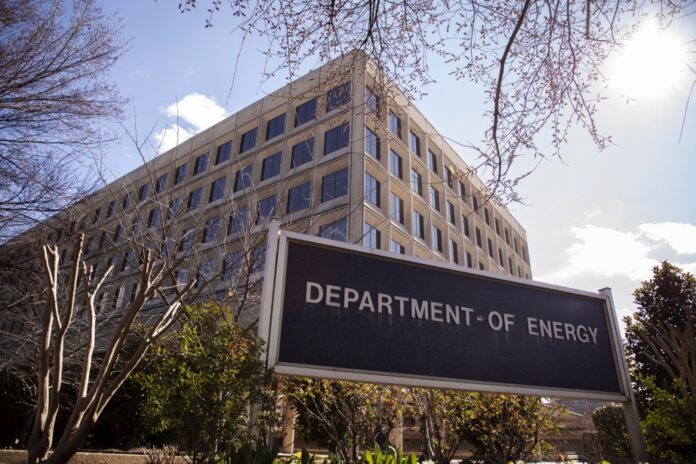
The US Department of Energy has officially launched a $3.5 billion program, which is purposed around capturing carbon dioxide from our atmosphere and storing it away. According to certain reports, the department will achieve the goal by constructing four special hubs across the country. Each hub will likely be able to store over a million metric tons of CO2, making it the largest air capture facility in the world. While decisions about locations and stuff are still pending, the department has revealed that it will announce a detailed lowdown about funds in the fourth quarter of fiscal year 2022. Assuming a company is interesting in tasking over the project, it has to fulfill certain obligations. For instance, it should have the means to store the collected CO2, instead of using it in products like carbonated beverages and more. Apart from commercial products, the department also won’t allow the companies to use CO2 for producing fossil fuels. Notably, oil and gas industry will be exempted from the latter restriction.
“The UN’s latest climate report made clear that removing legacy carbon pollution from the air through direct air capture and safely storing it is an essential weapon in our fight against the climate crisis,” said Jennifer M. Granholm, U.S. Secretary of Energy. “President Biden’s Bipartisan Infrastructure Law is funding new technologies that will not only make our carbon-free future a reality but will help position the U.S. as a net-zero leader while creating good-paying jobs for a transitioning clean energy workforce.”
Going back to the location point, the government wants two of the hubs to be situated in “economically distressed communities in the regions of the United States with high levels of coal, oil, or natural gas resources.” Furthermore, they also plan on tapping into areas that already have other kinds of heavily polluting industries.
Pic Credits: Andrew Harrer / Bloomberg via Getty Images